Introduction
Chronic illnesses pose significant challenges for individuals, especially as they age. In long-term care facilities, managing these conditions is vital for enhancing the quality of life for residents. Facilities such as nursing homes and rehabilitation centers in Rochester NY are increasingly adopting comprehensive strategies to ensure effective management of chronic illnesses. This article delves into the various aspects of chronic illness management in senior care settings, providing insights into best practices, caregiver training, patient-centered approaches, and more.
Effective Management of Chronic Illnesses at Long Term Care Facilities
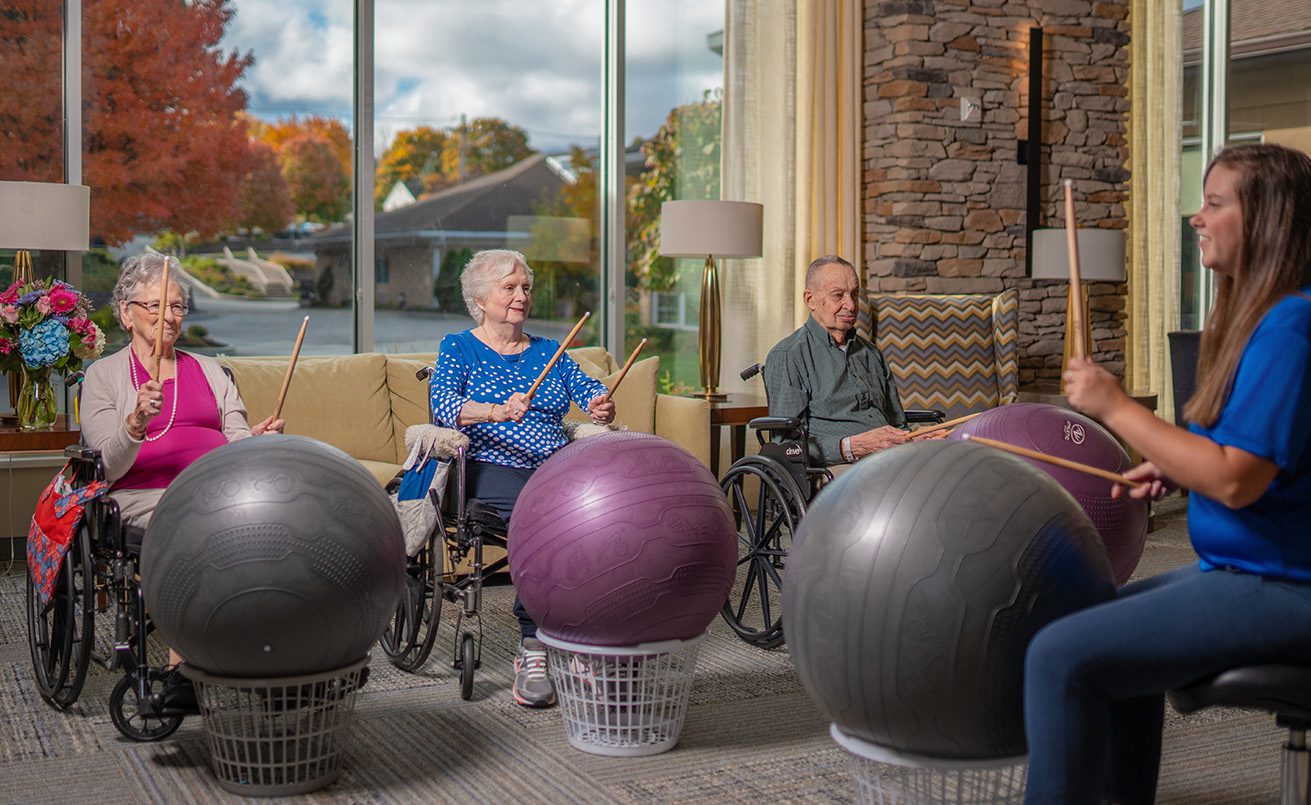
Managing chronic illnesses effectively in long-term care facilities involves a multifaceted approach. These conditions can range from diabetes and heart disease to dementia and arthritis. The goal is not only to treat these illnesses but also to improve the overall well-being of residents.
In Rochester NY, various senior care facilities prioritize holistic health management by offering tailored programs that address both physical and emotional needs. Skilled nursing facilities focus on creating personalized care plans that involve multidisciplinary teams, including physicians, nurses, therapists, and dietitians.
Understanding Chronic Illnesses: A Comprehensive Overview
What Are Chronic Illnesses?
Chronic illnesses are long-lasting health conditions that often require ongoing medical attention or limit daily activities. According to the CDC, chronic diseases such as heart disease, stroke, diabetes, and cancer are among the leading causes of death and disability in the United States.
Common Chronic Illnesses in Long-Term Care Settings
Heart Disease Diabetes Chronic Obstructive Pulmonary Disease (COPD) Arthritis Dementia and Alzheimer’s DiseaseThese conditions often coexist with mental health issues like depression and anxiety, further complicating their management.
The Role of Nursing Homes in Managing Chronic Illnesses
Nursing Home Rochester NY: A Safe Haven for Seniors
Nursing homes in Rochester NY play a crucial role in providing specialized care for seniors with chronic illnesses. These facilities offer 24/7 supervision by trained healthcare professionals who understand the complexities of these conditions.
Creating Individualized Care Plans
Individualized care plans are essential in addressing the unique needs of each resident. These plans typically include:
- Medical assessments Medication management Physical therapy Dietary modifications
The involvement of a multidisciplinary team ensures that all aspects of a resident's health are considered.
Palliative Care: A Compassionate Approach to Chronic Illness Management
What Is Palliative Care?
Palliative care focuses on relieving symptoms associated with serious illnesses rather than curing them. This approach is particularly beneficial for residents with advanced chronic diseases who experience significant discomfort or pain.
Benefits of Palliative Care in Long-Term Facilities
Improved Quality of Life Enhanced Emotional Support Better Communication Among Healthcare ProvidersFacilities that incorporate palliative care offer a holistic approach to managing chronic illnesses that prioritizes comfort alongside clinical treatment.
Rehabilitation Center Rochester NY: Bridging Gaps in Recovery
Importance of Rehabilitation Centers
Rehabilitation centers play an essential role in helping patients recover from acute episodes related to chronic conditions or after surgeries. These centers provide structured environments where patients can receive intensive therapy aimed at regaining independence.
Short-Term Rehab Services
Short-term rehab services cater specifically to those recovering from surgeries or hospitalizations related to chronic illnesses. Services may include:
- Physical Therapy Occupational Therapy Speech Therapy
By focusing on rehabilitation, these centers help residents transition back into their daily lives with improved functionality.
Skilled Nursing Facilities: Specialized Care for Complex Needs
What Sets Skilled Nursing Apart?
Skilled nursing facilities (SNFs) provide around-the-clock medical attention from licensed nurses who specialize in managing complex health issues associated with chronic diseases.
Transitional Care Between Hospitalization and Home
SNFs serve as a bridge between hospital stays and home living by offering transitional care focused on recovery before returning home or moving into independent living.
Training Staff for Effective Chronic Illness Management
Ongoing Education for Healthcare Providers
To effectively manage chronic illnesses within long-term care settings, staff must undergo continuous education regarding best practices and emerging treatments.
Regular Workshops Certification Programs Simulation TrainingThis ongoing training equips caregivers with essential skills needed for tackling the challenges presented by chronic illnesses effectively.
Importance of Family Involvement in Patient Care Plans
Engaging Families: A Collaborative Approach
Involving family members in care planning can significantly enhance outcomes for residents facing chronic illness challenges:
Improved Communication Personalized Insights into Patient Preferences Emotional Support for ResidentsFamilies often know their loved ones best; thus their input can be invaluable when developing effective management strategies.
Technology Integration: Enhancing Chronic Illness Management
Telehealth Services in Elderly Care Rochester NY
Telehealth has emerged as a powerful tool within long-term care facilities to monitor residents remotely while ensuring they receive adequate https://jsbin.com/macakipugo support without needing frequent hospital visits.
Virtual Consultations Remote Monitoring Systems Health AppsTechnology enables timely interventions based on real-time data analysis concerning symptoms or medication adherence levels.
FAQ Section
Q1: What types of chronic illnesses are most common among seniors?
A1: Common chronic illnesses among seniors include heart disease, diabetes, arthritis, COPD, and dementia-related disorders such as Alzheimer's disease.Q2: How do nursing homes manage medication for residents with multiple chronic conditions?
A2: Nursing homes utilize medication management systems overseen by skilled nurses who ensure proper dosages are administered while monitoring potential drug interactions closely.Q3: What role does physical therapy play in managing chronic illness?
A3: Physical therapy helps improve mobility and strength among residents suffering from debilitating effects caused by various chronic diseases while promoting overall fitness levels through tailored exercise regimens designed specifically for each individual's capabilities.Q4: Can family members participate actively when creating individualized care plans?
A4: Absolutely! Family participation is encouraged during the development process since they bring valuable perspectives about their loved one’s preferences which leads toward more personalized outcomes aligned closely with patient desires/goals!Q5: What is respite care? Is it available at long-term facilities?
A5: Respite care provides temporary relief for primary caregivers by allowing short stays within skilled nursing environments where trained professionals take over responsibilities temporarily so families can recharge without worrying about day-to-day duties involved during times away from home-life arrangements!Q6: Are there specific dietary considerations needed when caring for individuals suffering from certain chronic health issues like diabetes?
A6: Yes! Dietary adjustments tailored towards individual nutritional needs form an integral part when treating/controlling blood sugar levels via meal planning strategies emphasizing balanced options rich nutrients while minimizing carbohydrate intake according personal requirements outlined previously established guidelines given contextually appropriate circumstances surrounding each unique case scenario encountered therein!Conclusion
Effective management of chronic illnesses at long-term care facilities requires a collaborative approach involving healthcare professionals, families, technology integration, individualized plans tailored around each resident's distinct needs/preferences highlighted throughout this discussion here today! By emphasizing compassionate caregiving techniques alongside innovative solutions provided within skilled nursing frameworks located throughout regions such as Rochester NY—these vital services empower those affected improving overall quality-of-life outcomes experienced over time leading towards healthier futures ahead!
This article outlined numerous aspects concerning how effective management occurs specifically directed toward addressing complexities found amongst varied populations residing within senior living environments today reflecting industry best practices recognized widely throughout communities nationwide further establishing trust & credibility demonstrated continuously across this field moving forward collectively together striving excellence always!